A Story on Culture
How Capchase's culture and values evolved in its first year of hypergrowth, and the tactics we used to keep them alive while scaling from 15 to 70 people.
💡 A quick look into Capchase's culture and values: how they evolved and some of the things we've done to apply it.
⚠️ Disclaimer: We certainly don't know everything. We're a very particular company that's grown in a very special time, so not everything will apply to everyone (watch out for Survivorship bias!). However we hope you find something that inspires you.
Intro to Capchase
💡 Capchase is an early-stage fintech startup with the mission of putting FinOps on autopilot. We help founders forget about fundraising or cash management and focus on what matters: putting out great products and distributing them.
We started Capchase in May of 2020 - a year and a bit ago - under some very special circumstances. We hit scale quite early on, jumping from 15 employees in December to ~70 employees across 20 nationalities and 14 cities today. We operate in the United States, UK and Spain, and growing fast through Europe, serving hundreds of tech-enabled recurring revenue companies.
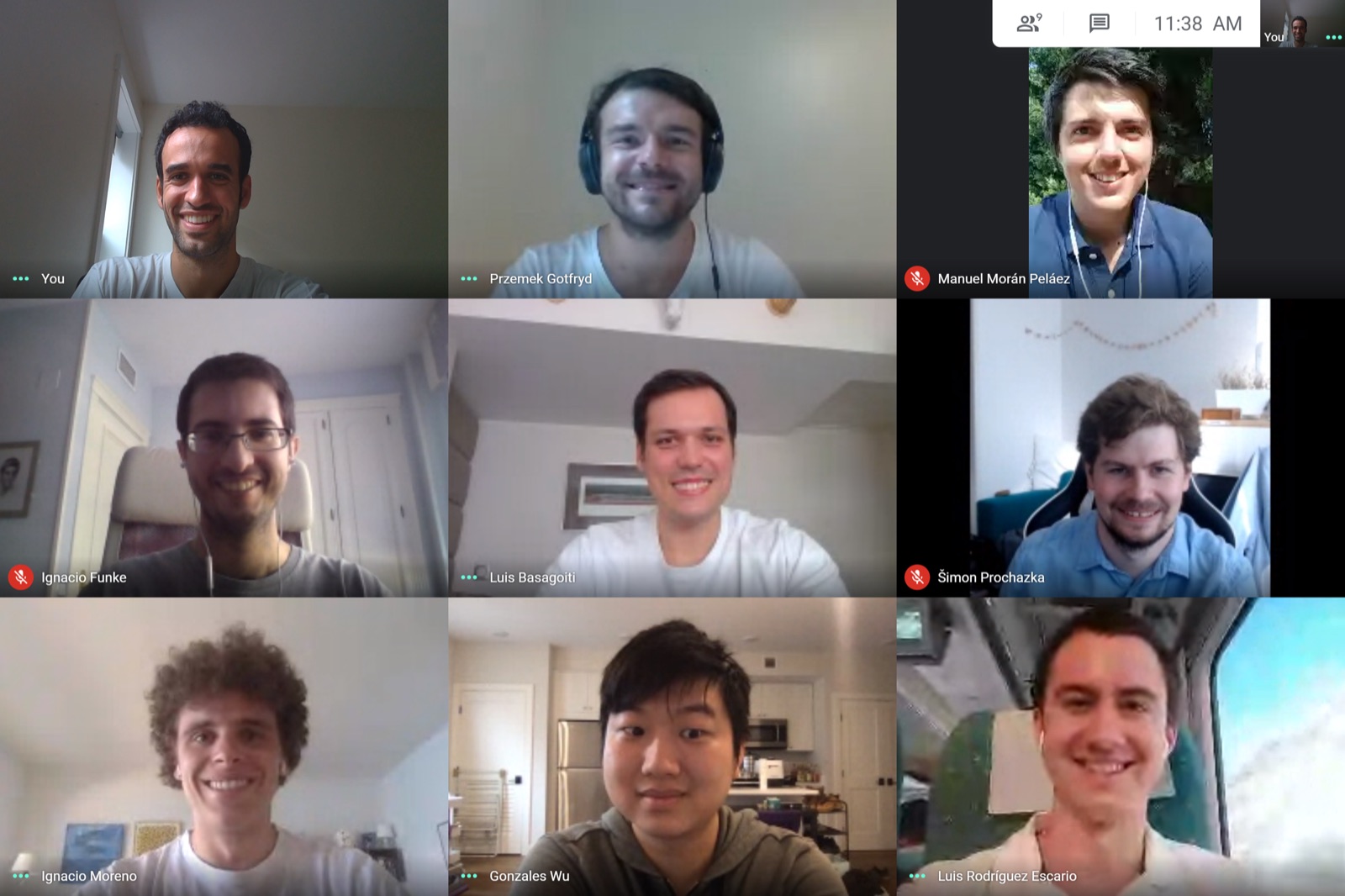 Capchase in Aug '20
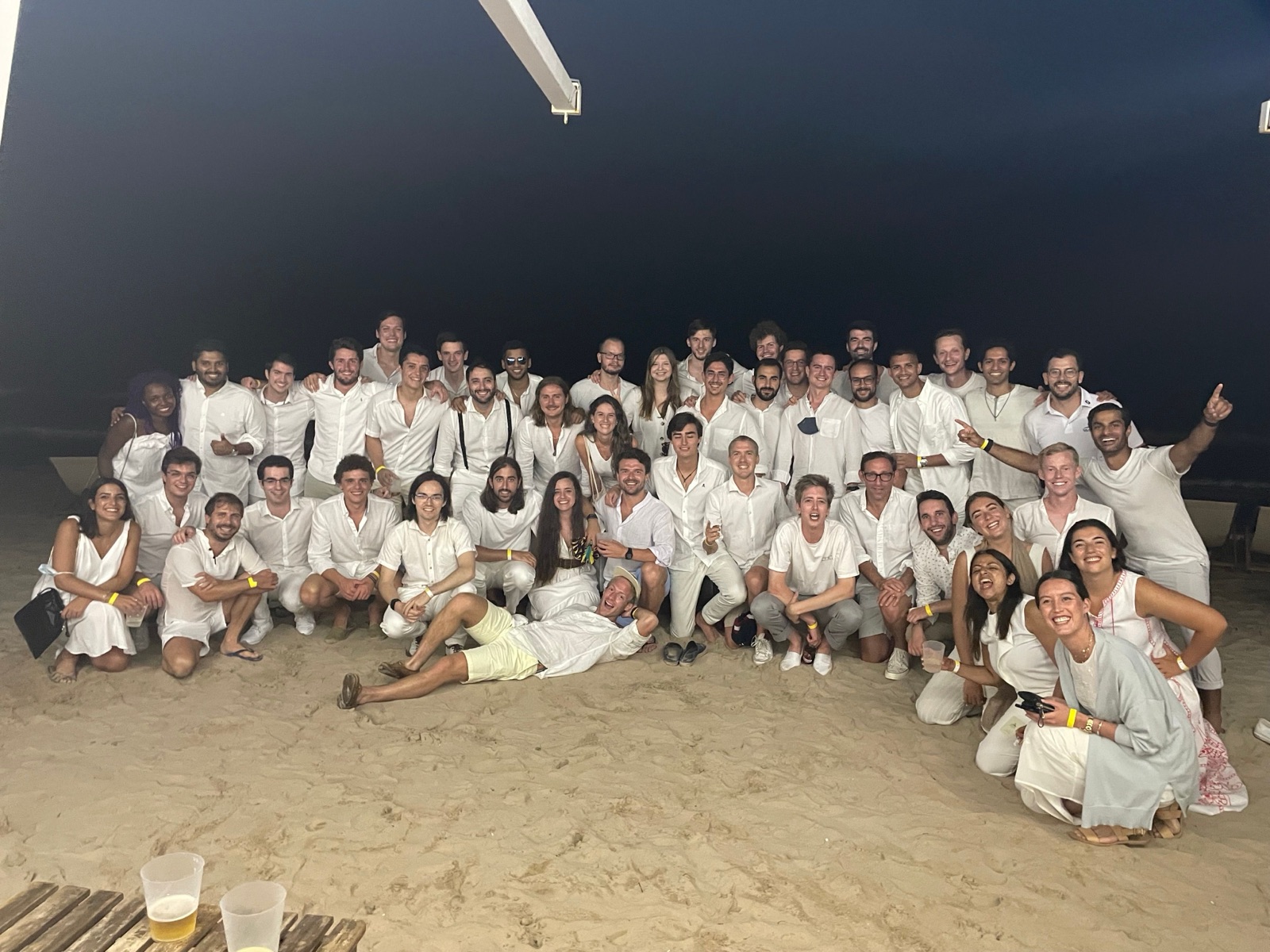 Capchase in Aug '21
Our team is heavily distributed, with ~40% in the United States - mostly New York, and the remainder ~60% spread across Europe, especially in Madrid and Barcelona.
Why is Culture Important Early On?
Everything that happens early on in a startup is important. The nature of our companies is that what we do in the beginning gets magnified in time. There is something exponential in our nature. If you have product-market-fit twice as fast as a typical company, you won't grow twice as fast in a year, but rather in a faster, non-linear way. The same thing happens with Culture. The base you set early on expands very quickly in the organization, and so the kind of people you bring on at the very beginning can define the culture for years to come. It's like an interest that compounds:
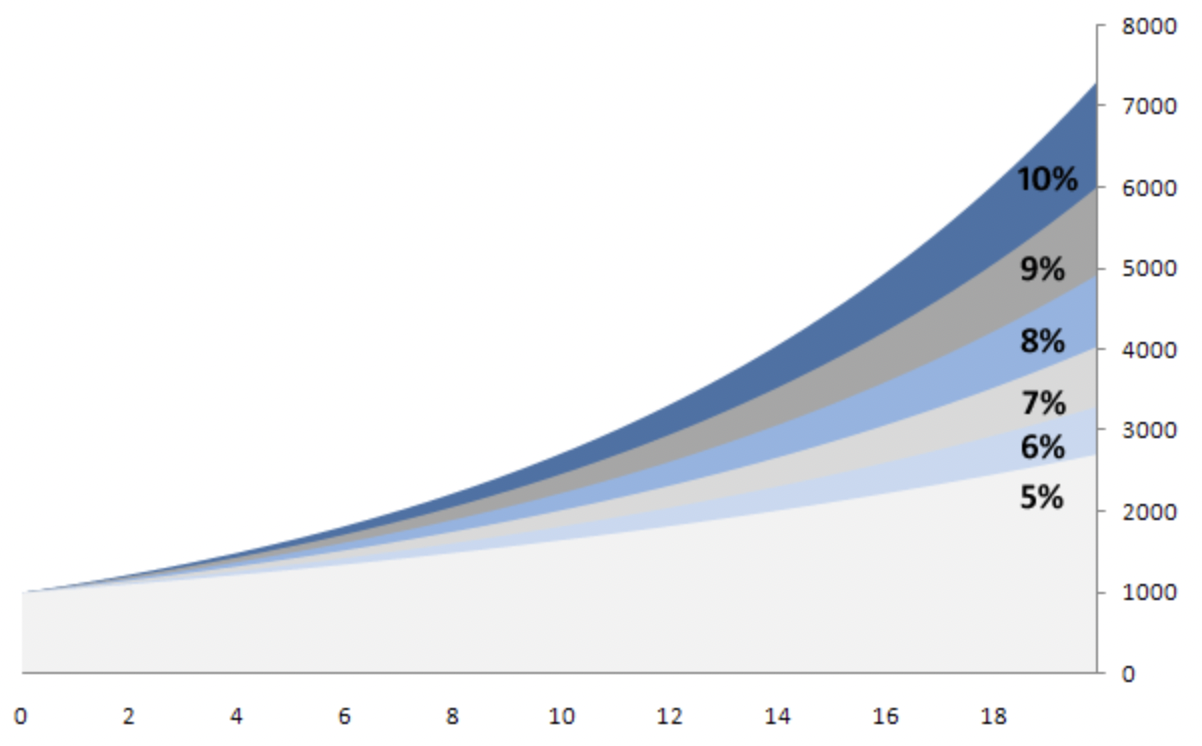
Getting a nice rate at the beginning can make or break a company.
💡 Takeaway: Everything that you do in the early stages compounds massively. This applies to Culture too - the first 10-15 employees will define the culture of the next 100, and those the Culture of the next 1000.
What is Culture?
Defining what Culture is quite hard. At Capchase we try to be very pragmatic. Finding a definition doesn't necessarily add any value, so instead we focus on the outcome of a great culture: how decisions are made.
💡 Culture at Capchase: what the people in the company do when the boss is not there.
When we first raised this question at Capchase, we reached the conclusion that Culture is how people in the company behave when they have to make decisions. How any given Capchaser would act when no-one is looking. This let us build a sort of North Star prototype of the kind of people we wanted to have in the company. This helped us pick the Values that we strive for, which is a significant piece of the Capchase culture. The rest of the culture - our ethics, work environment, beliefs, and leadership style - sort of organically evolved from there.
Values
In December - when we really felt the need to scale - we sat down at a Grosso Napoletano to think about what our values were. What made a Capchaser a Capchaser. We looked at ourselves and the first 10 employees we'd brought to the company and tried to find what had brought these first crazy team members onto a company that really had nothing - except other people. We quickly saw that the quality of the people we'd brought was really the main attractor. We'd experienced this before when joining Geoblink. Miguel, Luis and I had joined not because of the product or idea, but because of talent density. So, we started to look for the common traits we found among these people.
The first thing we noticed is that everyone had something special: some were Math Olympiads, others were Oxford computer scientists, others Harvard dropouts. It was very clear that there was excellence in the team. However, while this was a great headline for new talent, it was the way they carried that excellence that convinced people to join. The first key trait we derived was thus Humility.
😇 Intellectual Humility - Our Core Value
This is the first of our Values in that it is an enabler of the rest. Without Humility it's hard to build trust, without trust it's hard to get performance, without performance there is no impact, and without impact you become stagnant.
💡 A virtuous cycle: Humility → Trust → High Performance → Impact → Raising the Bar → Humility
We've had to say no to extremely bright candidates because they did not fit this mold and would likely destabilize this very delicate balance. The sheer pleasure of working with talented humble individuals, and the performance output that you get from the happiness of a team that works in that environment is too great to put at risk just for one rockstar.
It also enables a Culture of positive intent. When something goes awry, you can always trust that the cause of the problem was not out of spite or negativity, but rather an honest mistake or the rush of the moment. This makes problems easy to solve.
🛠️ Builder Attitude
Once you get a group of humble intellectuals, you need to get them to build. Anyone can become a builder, but if you find people that have this quality by default you can gain a lot of peace of mind.
Builders are critical at any early-stage company. They are pragmatic tinkerers, get things figured out and done - and they do it to fulfill their own pride. In other words, they are self-motivated, they build for the love of building, without needing any incentive on top. This means they have an innate quality that's essential in startups: ownership. Without ownership, initiatives fall through the cracks and the delivery flow-state grinds to a halt.
 Traffic jams are born out of a single car slowing down. The same thing happens to the flow of delivery when ownership is lost.
Another great aspect of hiring builders is that they just have a lot of fun - and it's really hard to beat a team that just enjoys what they do.
We had very creative ways of looking for builders, from diving into GitHub profiles to lists of hackathon participants and physics olympiads. You can really feel this trait during the recruitment process.
✅ Yes Before No
And what do builders have in common? They like to do stuff that seems impossible. We try to foster a culture where the first reaction when confronted with a problem is to have a positive outlook on it, and explore ways to say yes to the challenge rather than no. It may seem obvious, but we've seen the opposite in many companies before, especially from Tech teams.
This value leads to a very healthy experimentation mindset, where teams develop a pragmatic approach to validating ideas and figuring out quickly whether the final answer is a yes or a no.
🤔 Disagree and Commit
The great thing about having a team of humble people is that no-one feels bad when challenged. We practice radical candor - we continuously challenge each other but from a place of care and humility. It is our duty to challenge the status quo and raise our hand when things don't fit. This is the disagree part of this value. The other side of the coin is what happens when our challenge is heard but not shared, or when a decision falls on the side we don't agree with. Our duty then is to commit to that decision as if it were our own. Once again, humility is the key enabler of our Culture.
💪 Work Smart and Hard
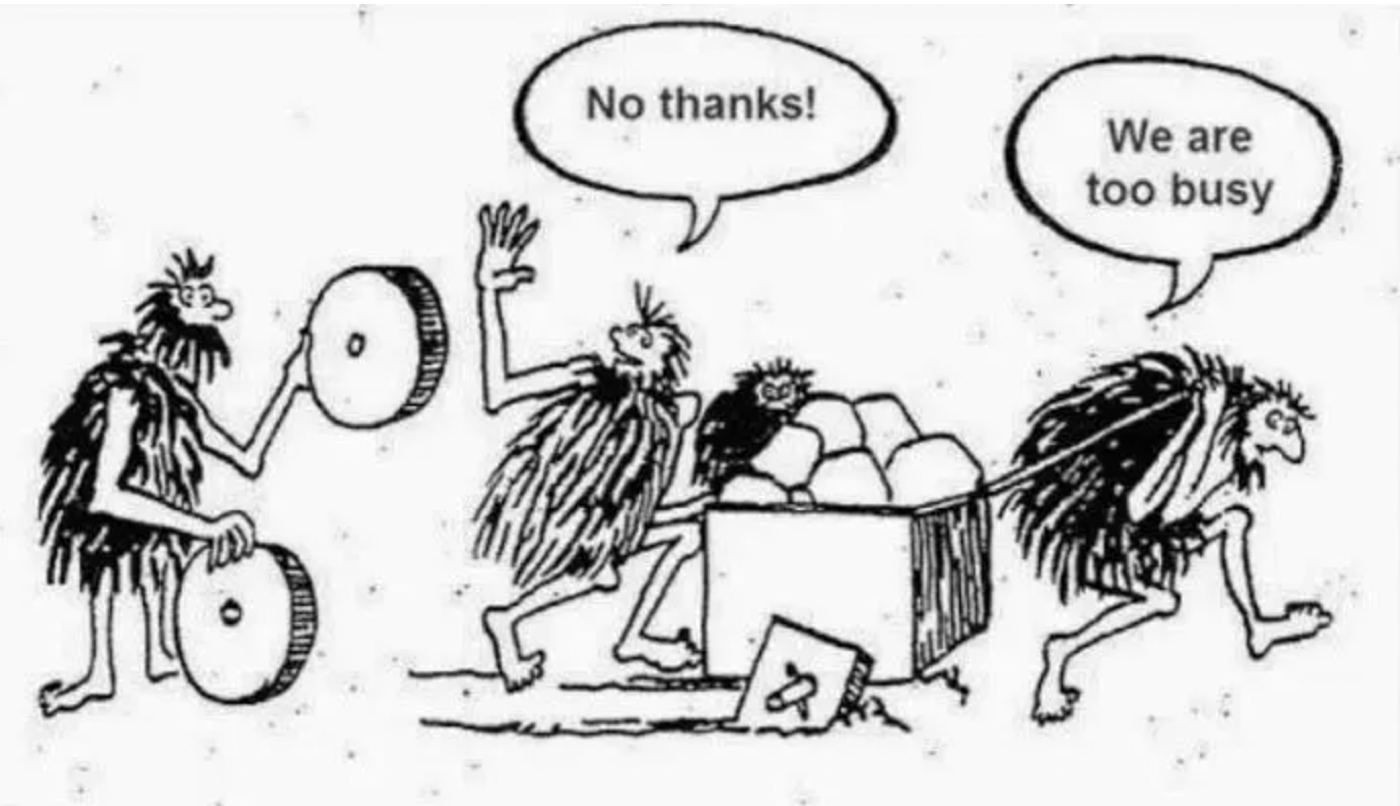
Effort ≠ outcome. Working hard guarantees nothing unless you are:
- Working on the right things.
- Working fast enough to beat the competition.
That's why it's so important to not just work hard, but to also work smart. This value once again appeals to our pragmatism and experimentation mindset. We try to move in small steps to establish the right direction (kind of like Newton's method), and then move fast towards it once we have converged on a direction. We move fast by working hard.
The earlier you get this exercise done, the better. The values you pick should embody your team, so it must be implemented into the recruitment process as early as you can.
As a final note, values may change and evolve with the company. For us, what's important is that you have a clear and select (3 is probably the perfect MECE number - so we had to cut) set of them and that they have a clear reason for being. A set of values on paper means nothing if you don't deploy them and your employees don't believe them.
👏 Wins
This is where it might get a bit unstructured. I haven't really had time to put a nice common thread to tie together all the ideas, so I've decided to simply dump here - ranked by importance - the top things we've actually done and decisions we have made to build a cool Culture at Capchase. Let's get a bit more tactical.
🌎 A Remote-First (but Hybrid) Environment
💡 TL;DR: A remote-first but hybrid approach comes with plenty of tradeoffs and needs a lot of discipline, but can be a nice balance to maintain talent excellence while growing fast.
Choosing to be a remote-first but hybrid team is likely one of the most crucial choices we've made at Capchase. To be truthful, I'm not sure I'd call it a choice, since we were born in the middle of the pandemic, but it's something that has shaped the Culture and Company.
It's a Trade-off Game
From the founders perspective, we were all office people. We love the energy an office brings, we love getting teams together working hand-in-hand, and we feel there are moments of serendipity that lead to important events that you just cannot simulate remotely. However, it is also a game of numbers. We look for very particular people who are often extremely hard to find. There just isn't enough talent density anywhere in the world to be able to build a team off of just one city. There is 0 chance we could have grown as fast as we have had we only been able to expand our Product and Tech team in Madrid.
The end result is a hybrid approach with major hubs in Madrid, Barcelona and New York, and a distributed workforce across 11 other cities that work fully remotely.
We feel this is an excellent balance that helps us maintain a high bar of excellence, while providing a culture of diversity and fun - while still allowing for people to work in person and make things happen. We also often have the fully-remote workers for visits.
It does come with a lot of challenges related to avoiding silos, perfect documentation and communication processes, and other considerations that are not related to culture and we can talk about another day.
We're very excited to see how it evolves over time.
⚙️ An Efficient Recruitment Process
💡 TL;DR: having a nimble and efficient recruitment process is almost as important as having a process that evaluates the values of the candidate against the values of the company.
This is the bottleneck of every company. Every single employee that joins it must go through it. As founders, Luis and I would spend at times 30-40% of our time just in Recruitment. Looking back I think it was the right thing to do, but obviously it is not scalable. To make matters worse, failures early on in this stage - especially for critical roles - can be devastating.
Recruiting can sometimes feel a little bit like this:
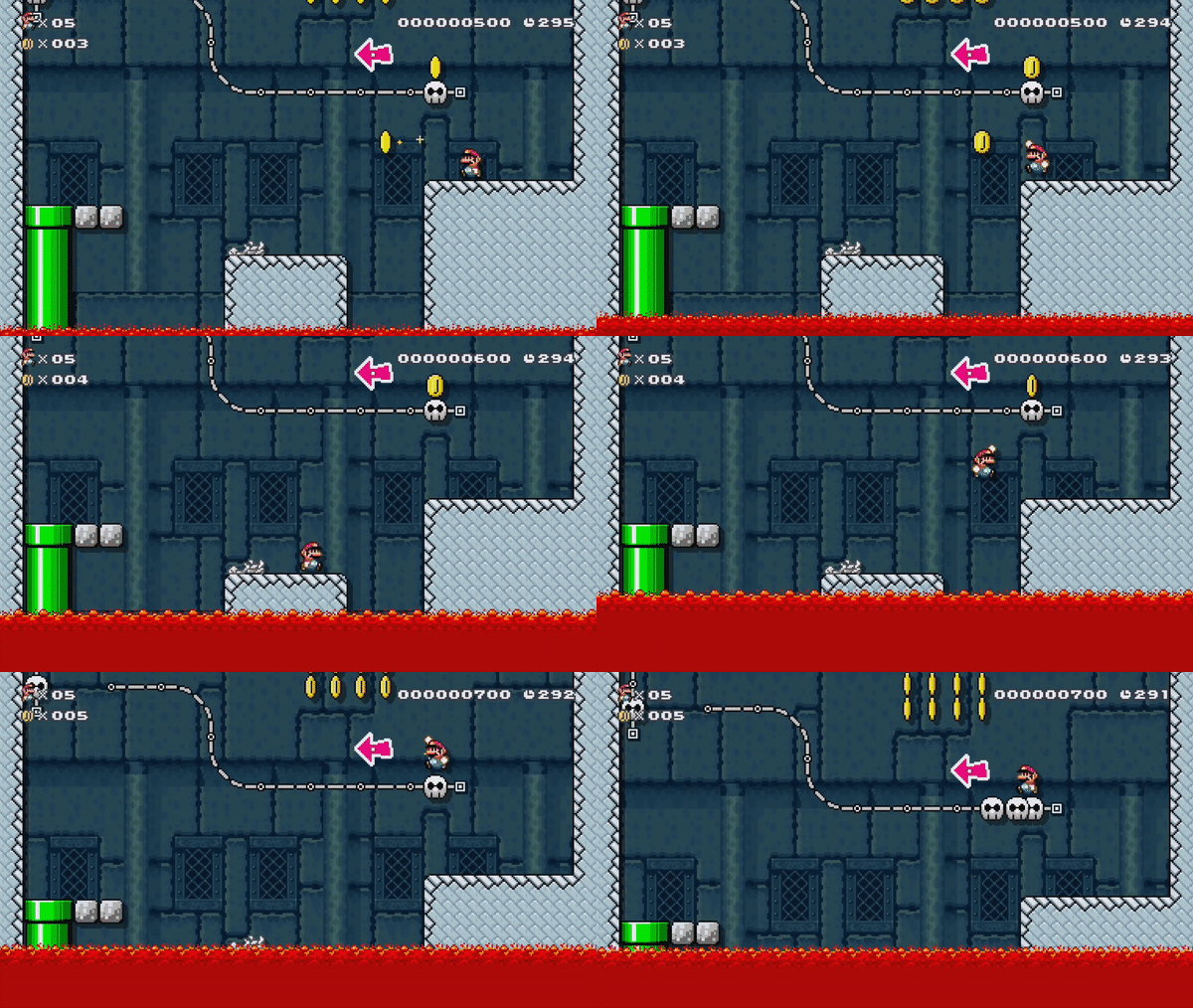
When we think about Culture and Recruitment, it's easy to focus on how we build a recruitment process that tests for the values of the candidate and the cultural fit with the company. So, it's easy to overlook the process in itself. It's usually an extremely complex process where Culture is just one of the various considerations you need to account for. When you feel the heat from that lava, unfortunately Culture is one of the first things that go out the window - just like picking up all the coins in Mario.
So, the first step in having a Recruitment process that respects your Culture and Values has nothing to do with Culture and Values - it has to do with the efficiency of the process itself.
We have a 4% acceptance rate at Capchase Engineering. This is a very low rate, which means we need to feed the machinery with a lot of candidates. If we need 10 engineers in 1 month, it means we have to go through 250 candidates in that time period. If we cannot do that, we're going to have to cut somewhere, and that somewhere typically ends up being in values or cultural fit. This is a big mistake.
So, it's important we put together a process that accelerates Recruitment. In the analogy, it's basically putting Mario on steroids. So, how do you put Mario on steroids? I think there is a session on that in the program, so not gonna get too deep into it - but here are some quick points on this that worked for us:
- ⭐ Train Everyone to Hire⭐
- Hire a Recruiter Early
- Establish a Standardized and Repeatable Recruitment Process
Note: We do not work with agencies right now. If the machine is well oiled enough the process takes care of itself and there is nothing lost in translation.
⚔️ Leaders Eat Last
💡 TL;DR: there is no such thing as a lowly task at Capchase. Leadership - through humility - is in service of its employees and they get their hands dirty when they need to. There are no politics, there is no BS.
One of my favorite ones. Our organization as it stands today is extremely flat in how leadership gets involved in the day to day. 0 BS, 0 politics. While we certainly have a set of key members (we call it Staff) that are involved in deeper strategic discussions, this same group is also extremely involved in the day-to-day - even tasks that some might consider lowly. This is once again only possible because we keep ego low and humility high. Not only is it a great motivator for the team, but it also gives us deep insights into the real problems that permeate through the organization, and the opportunity to solve them.
We try to maintain a philosophy of service. As leaders at Capchase, we are at the service of our employees, and not the other way around. It's not uncommon to find a founder working hand in hand with a new Intern or junior employee. This accessibility of leadership and flatness in the org removes all potential feeling of barriers when it comes to getting things done. The newest most junior employee knows they can pick anything and escalate it to wherever it needs to be escalated - even the CEO - to move the needle. This facilitates extreme ownership. We've also noticed that this gets everyone in the organization extremely motivated. We like to think it's because we have an army of builders!
Of course, as the organization grows it will become a bit more difficult to maintain. However, at 70 employees we still find it quite simple.
Also note that this does not mean the company is flat in its org chart. We have clear paths for growth and clear reporting lines. It's the day-to-day where these lines get dissolved in service of every employee.
Here is a great article on this topic that I feel reflects nicely this idea.
ℹ️ Transparency
💡 TL;DR: Carving out a frequent space to talk about what the company is doing, what we're achieving and where we're making progress and mistakes makes everyone feel like they can have impact.
A sense of belonging and ownership comes with information. When there are secrets, it's easy for there to be silos, and groups of employees that feel more special than others. We try to make sure everyone knows all they want to know about the company - how we are doing, what we're planning to do next and where we can improve. An informed employee base is not only more confident, but also better prepared (with ideas and mindsets) to tackle the upcoming challenges.
Carving out Spaces
The biggest space we have carved for this sharing is what we call Chasing the Cap. It is a bi-weekly town hall where we do several things:
- Present all new joiners.
- Go through each of our values with examples.
- Walk through the sales numbers.
- Talk about challenges we've solved in Tech or Biz - and how we solved it.
- Show Product releases and upcoming features.
- Give feedback and kudos.
This is a space where everyone gets the full picture of how the company is doing, and where anyone can ask anything.
Alignment Through OKRs
We run our company through OKRs. They are the ambitious objectives and key results that we use to steer our complex machinery through the sea of decisions we could make. Every team's OKRs (for full transparency, we've only really implemented them in the Product/Tech squads) are public, and every squad member knows them very well.
Being transparent and conscious of OKRs puts Product into the minds of every team member, and gives engineering a framework to think deeply about what it is that we're doing and why. This is important because Product doesn't always get everything right on the first go, so having a Tech team that can provide a fresh look at how we solve problems makes us move better and faster. It goes back to challenging the status quo.
For example - and this made me very happy - just the day before writing this document I was having a chat with an Engineer on a new upcoming Product. She mentioned she had two questions - her first one was "how does this move our OKRs?". And the truth was it was not obvious, but it showed that through this system Engineers care about the business, and the direction that we're taking.
KiSS
💡 TL;DR: we try to give excellent people the space to excel, without processes getting in the way.
Frugality and anarchism powered by common sense drive our progress. We try to follow a no-rules rule (kind of stole from Netflix). The reasoning is if we've made strong efforts to hire exceptional people, way smarter than us - how can we not let them do their thing?
On top of that, we've established a culture of questioning processes. Is the process serving us or are we serving the process?
This kind of culture works great as long as - once again - the team is full of humble intellectuals who possess the least common of all the senses: common sense.
🥳 Celebrating Talent
💡 TL;DR: there is a lot of room for low-cost, high impact interactions with the team that celebrate their work and make them feel important. You can be frugal and still have cool perks.
Celebrating talent is one of the ways we have to get people excited. We're lucky to have a team full of very hard workers, that deserve recognition and celebration. Some examples:
Spotlight Award
This award costs us ~$250 per month (i.e. nothing) but takes a central spotlight at our Chasing the Cap meeting. It's like an employee of the month, but we put a lot of thought behind it to gift the recipient something they care about. For example, one of our engineers is a maker in his spare time, so we gave him a 3D printer. Another is an avid skier so we got her some cool ski boots. Small details like these matter because it shows the employees they matter, and in the grand scheme of things take no additional effort over more traditional trophies or meaningless gifts.
Offsite
We recently held the offsite and we brought in everyone - including interns. Some people raised eyebrows when we mentioned that interns were coming too, but it's probably some of the best investment we will make. Not only does it get them pumped up for the remainder of the internship and increase the chance they stay afterwards, but it's also all they'll talk about to their talented friends back at school. You want to be the startups all interns want to go to.
Think about your company and how you can tackle some of these high-impact but low effort celebration initiatives. They pay off!
🦸 Cultural Scaffolding
💡 TL;DR: Providing a framework over which to build and name internal culture and rituals makes it easier to deploy that culture and generate a sense of belonging.
This is a tricky one to explain because it is non-trivial, and non-measurable. It also may sound a little bit stupid but I promise it works. I've decided to call it cultural scaffolding because it's similar to the structures that you use on buildings to be able to put them together, but for culture. It turns out people like to belong to things. They like to name the things they belong to, to show it off to the world. They like to have rituals. This cultural scaffolding provides a framework to do all of that with very little effort.
The way we developed ours was completely accidental. When we first built Capchase we saw that we could add aliases to our Gmails. So Luis (a big guy) decided to do hulk@capchase.com. So we all got Avengers emails and decided that we would have every new joiner choose a superhero. Marvel quickly became our cultural scaffolding, and made it almost effortless to build and name our company rituals. Now everyone has their own Marvel character, our teams are named after Marvel squads (like Guardians of the Galaxy), we hold Avengers Assemble meetings and have ultimately developed a sub-culture on top of these characters.
We have some other small examples of cultural scaffolding at Capchase, like The Office GIFs or custom emojis in Slack. These small gestures provide a sense of belonging that is important to nurture and maintain.
😅 Things We Don't Yet Know How to Solve
Of course, we don't have the answer to everything. We like to think that there are three types of problems:
- The known-knowns - the ones we can solve just with time and resources.
- The known-unknowns - the ones we just don't know how to solve, but know they are problems.
- The unknown-unknowns - the ones we don't even know exist.
The following issues are part of the second set. If you've encountered them as you scale, I'd be happy to hear how you solved them!
Diffusion of Responsibility
As you quickly scale beyond 30 or 40 employees within 3 or 4 months, funny things happen. For example, you might find yourself at a company where the median tenure is ~4 months (yes, that's us). This effect has a set of problems that derive from it:
- A relatively small set of people in the company hold all the knowledge - but they have little time to get it out.
- A lot of roles become unclear and fuzzy.
- Cross-collaboration becomes complicated because no-one knows what the other one knows.
- Not everyone can know everyone (Dunbar anyone?).
Ultimately, this leads to a few well-known and related phenomena such as Brooks' law or Diffusion of responsibility. The company starts moving more slowly, despite having more people to deliver, and initiatives start to fall through the cracks. When we were 15 people, it was extremely clear who did what and by when, but now decisions have dependencies and it makes moving forward more difficult. These effects are only exaggerated by our extremely distributed team.
We're actively working on solving this issue, and have a feeling it has to do with:
- Better and more frequent documenting - for example this
- Establishing an Operating Cadence - for example this
Business vs. Tech Dichotomy
This is a tough one we've also seen in other companies. As the team scales, it's really easy to fall into the trap of dichotomizing Business and Tech. Biz feels like Tech doesn't listen to them or are slow, Tech feels like Biz is carrying a whip and think that they are their slaves. Of course neither is true, but day-to-day communications through Slack can make it appear so, which in the end is what matters. Having clear and common objectives (e.g. OKRs) has helped, but there is still a significant disconnect. We hope that the recent offsite makes this a little bit easier, but we've yet to see. We're still looking at other strategies like bringing Biz people to Tech allhands to tell us their stories, and other initiatives to bridge the gaps between teams.
This problem is further overemphasized by the fact that, in our case, Biz and Tech are quite literally an ocean apart (the Atlantic!). How do we build a One Company culture?
That's All, Folks!

And that's pretty much all I have to say about that. I hope it helps or inspires you in some sort of way. Culture is a very tough thing to get right, but a positive Culture makes work so much better for everyone involved. Also if you liked it feel free to share!